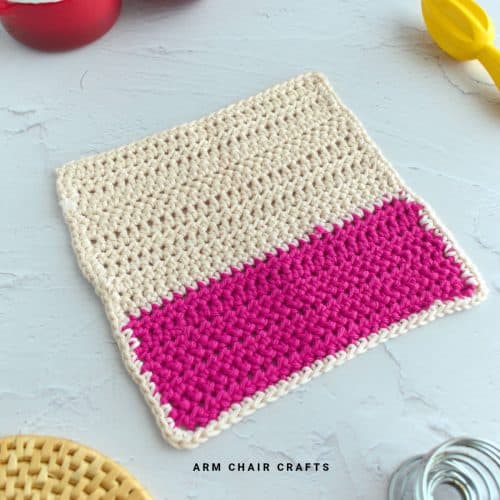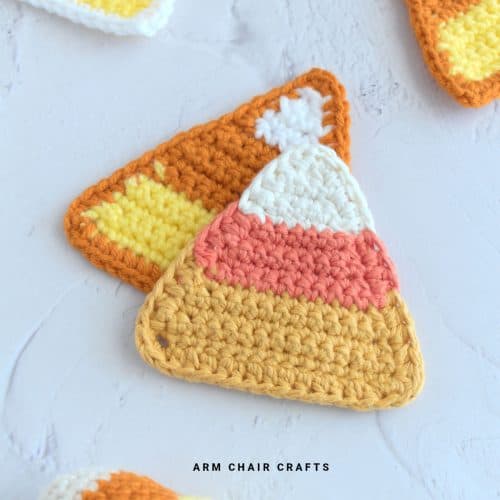
Everyone makes mistakes while crocheting, a missed stitch, a wrong count, or a section that suddenly looks off. The frustrating part is thinking you might need to undo everything to fix it.
If you're learning how to fix mistakes in crochet without unravelling your whole project, the good news is that many common errors can be corrected locally without starting over.
Table of Contents
- Missed stitches in crochet (how they affect your project)
- Extra stitches in crochet (accidental increases and uneven shaping)
- Wrong stitch types in crochet rows (texture and height changes)
- Misplaced crochet stitches (alignment and drift)
- Forgotten repeats in crochet patterns (broken pattern flow)
- Why fixing crochet mistakes early matters
- Tips to fix crochet mistakes without unravelling your whole project
- When it's better to leave a small mistake
- FAQ
- Related Crochet Ideas
- Stay Connected
- You might also like:
- Comments
Mistakes in crochet can feel bigger than they actually are, especially when you're working row by row and suddenly notice something doesn't look right. It's easy to assume the only solution is to undo everything and start again.
But most issues can be handled in place once you understand how crochet structure builds.
When working through how to fix mistakes in crochet without unravelling your whole project, the key is identifying whether the error affects a single stitch, a section, or the overall structure.
This is especially noticeable in easy crochet projects for beginners, where repeated stitch patterns make small errors easier to spot, but also easier to correct before they spread through the rest of the work.
Most crochet errors fall into predictable categories, and once you know how each one behaves, you can decide whether it needs a small correction or a partial adjustment instead of a full undo.
Missed stitches in crochet (how they affect your project)
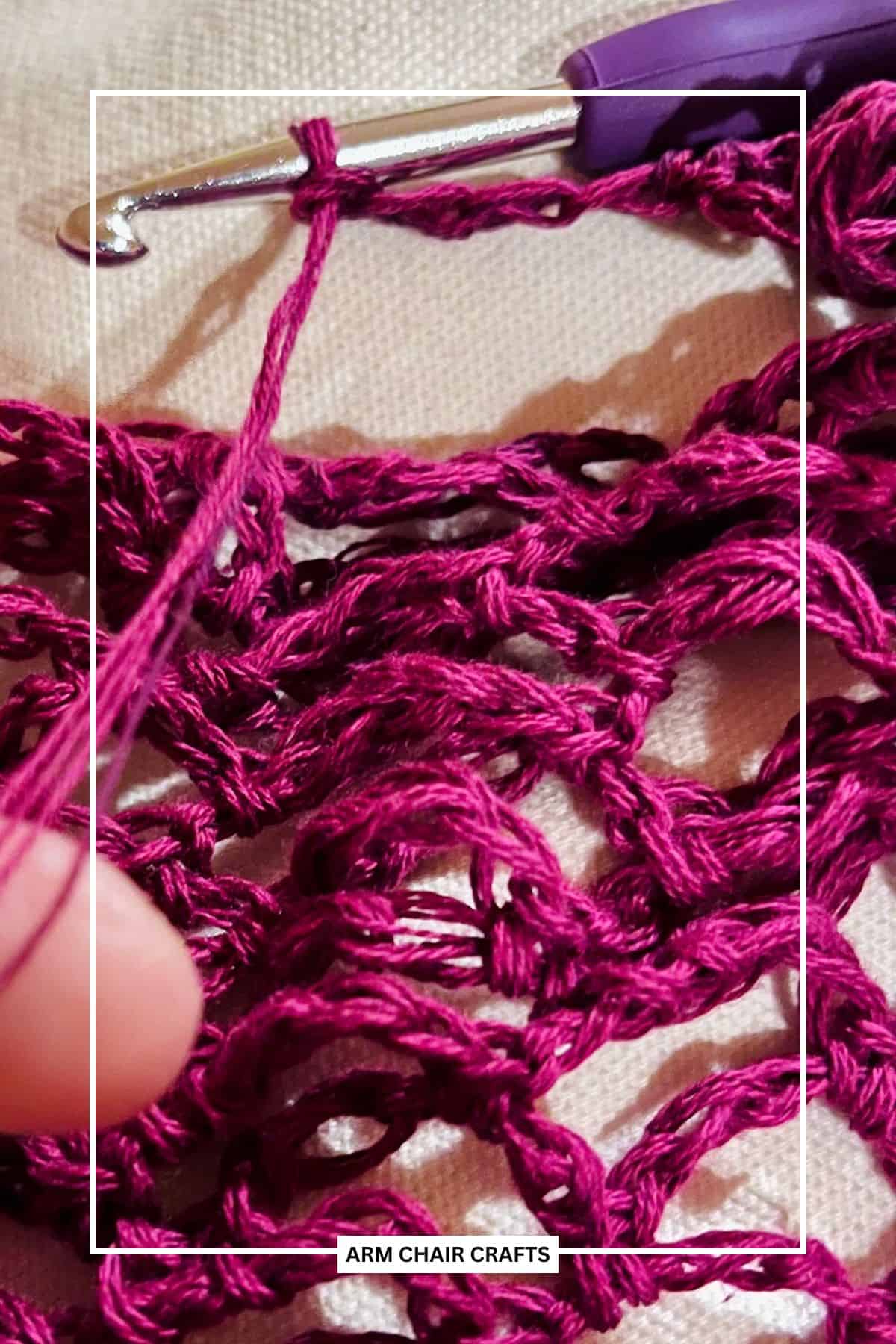
A missed stitch usually shows up as a small dip in the fabric, a slight narrowing of the row, or an area where the structure doesn't align evenly with surrounding stitches.
It often happens at the beginning or end of rows where edge stitches are harder to identify, especially when you're working in a steady rhythm and relying on muscle memory rather than visual checks.
When this mistake is left uncorrected, it gradually changes the structure above it because every new row is built on an incomplete base.
Even a single missed stitch can cause a slow shift in alignment that becomes more obvious as the project grows.
If caught early, it can often be corrected by carefully adding a stitch into the missed space and stabilising the row before continuing.
Extra stitches in crochet (accidental increases and uneven shaping)
Extra stitches usually appear as unexpected widening or a slight bulge in the fabric where the row no longer follows a consistent width.
This typically happens when the same space is accidentally worked into twice, which is easy to do during repetitive sections where stitch placement becomes automatic rather than deliberate.
The impact of this issue builds gradually across rows. Even a small increase changes how the structure stacks, causing uneven shaping that becomes more noticeable over time.
If identified early, it can often be fixed by carefully undoing only the affected stitch or small section, rather than removing entire rows of work.
Wrong stitch types in crochet rows (texture and height changes)
Using the wrong stitch type mid-row creates a noticeable shift in texture or height, where one section may appear taller, denser, or more open than the surrounding fabric.
This happens because different stitches naturally build structure in different ways, even when the stitch count remains correct.
The longer this goes unnoticed, the more it blends into surrounding rows and affects overall consistency.
If caught early, it can usually be corrected by undoing just the affected stitches and replacing them with the correct stitch type before the error becomes part of the wider structure.

Misplaced crochet stitches (alignment and drift)
Misplaced stitches occur when the hook is inserted into the wrong part of the stitch, even if the stitch count remains accurate.
This creates subtle alignment issues where the fabric may begin to twist, shift, or lose its straight structure over time.
Unlike missed or extra stitches, this type of mistake is harder to detect immediately because it doesn't always change the overall count.
Instead, it affects how rows sit on top of each other. If caught early, the stitch can often be carefully removed and reworked into the correct position without disturbing the surrounding fabric.
Forgotten repeats in crochet patterns (broken pattern flow)
Forgotten repeats usually appear as breaks in texture or rhythm where a section of pattern does not match the surrounding work. Instead of a consistent visual flow, the fabric may look slightly incomplete or irregular in isolated areas.
This happens when a repeat section is skipped during longer or more repetitive rows, especially when attention shifts away from the pattern instructions.
If identified quickly, it is often possible to insert the missing repeat directly into the current row without undoing previous work, as long as the overall structure still supports it.
Why fixing crochet mistakes early matters
Catching mistakes early prevents small structural issues from compounding across multiple rows. Because crochet is built in layers, even minor errors can gradually shift alignment, shape, or texture if they are not corrected while still close to the source.
Tips to fix crochet mistakes without unravelling your whole project
Fixing small crochet mistakes with local adjustments
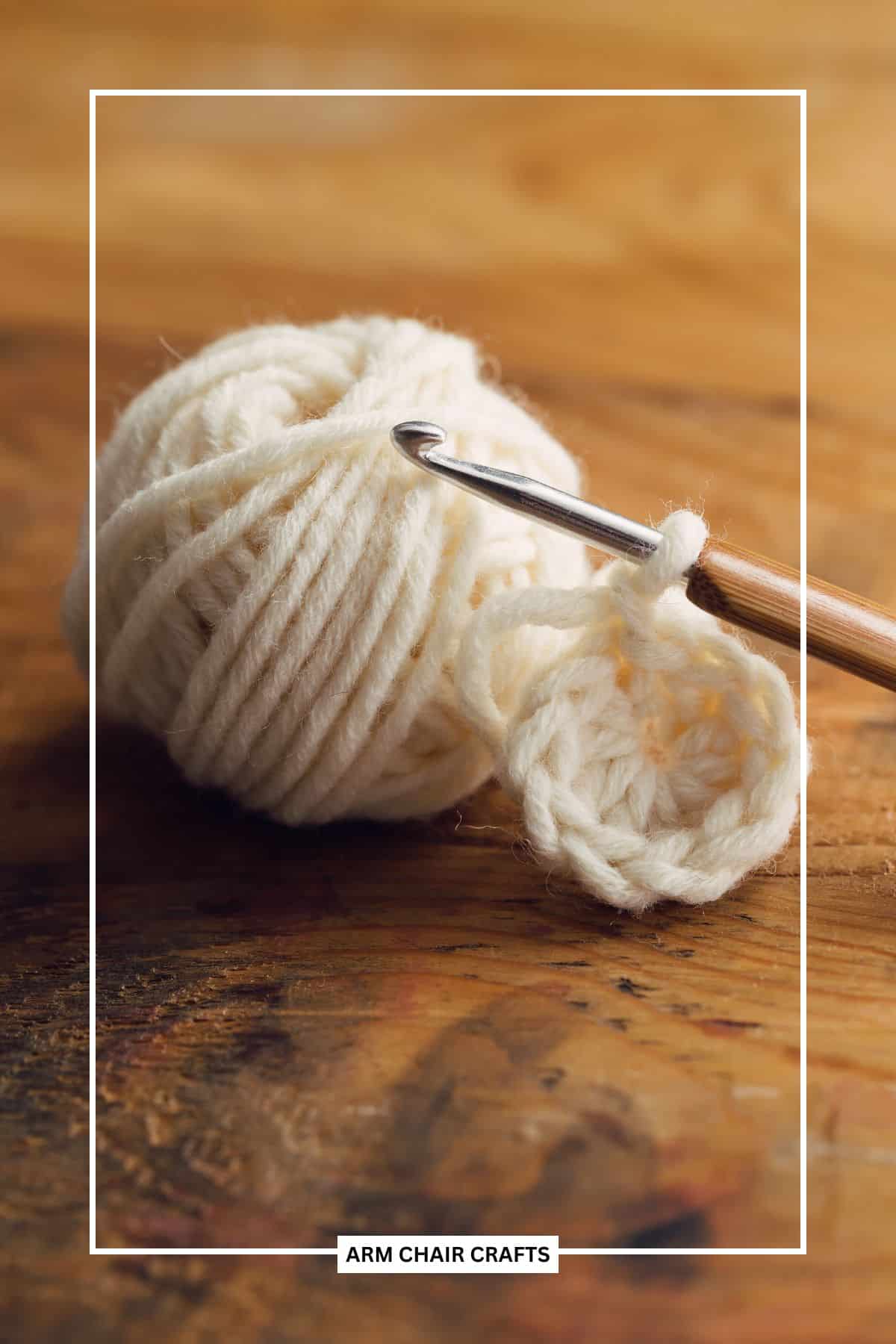
Small mistakes such as a single missed stitch, slight tension inconsistency, or minor misplacement can often be corrected without undoing rows. The key is to isolate the exact point where the structure went wrong and adjust only that section.
In many cases, you can carefully open just the affected stitch and rework it correctly, allowing the surrounding fabric to stay intact.
This works best when the mistake is still within one or two rows and hasn't been reinforced by additional layers above it.
Correcting crochet mistakes using stitch reworking (no frogging method)
When the mistake is slightly more embedded but not widespread, you can sometimes rework stitches in place by carefully loosening the surrounding loops and reconstructing the correct stitch order.
This approach works by reversing only the stitch formation rather than removing entire rows. It's especially useful for incorrect stitch types or misplaced stitches that haven't yet affected structural alignment above them.
The key is patience, pulling too quickly can distort nearby stitches, while controlled adjustment allows the fabric to stay stable while being corrected.
Using strategic partial undoing instead of full unraveling
If the mistake affects a small section rather than a single stitch, partial undoing is often the most efficient fix. This means carefully unraveling only a few stitches or a short section of the row until you reach the exact point of the error.
From there, you can rework the section correctly and continue without losing the entire project. This is especially useful for accidental increases or missed repeat sections that affect a small cluster of stitches rather than the whole row.
When it's better to leave a small mistake
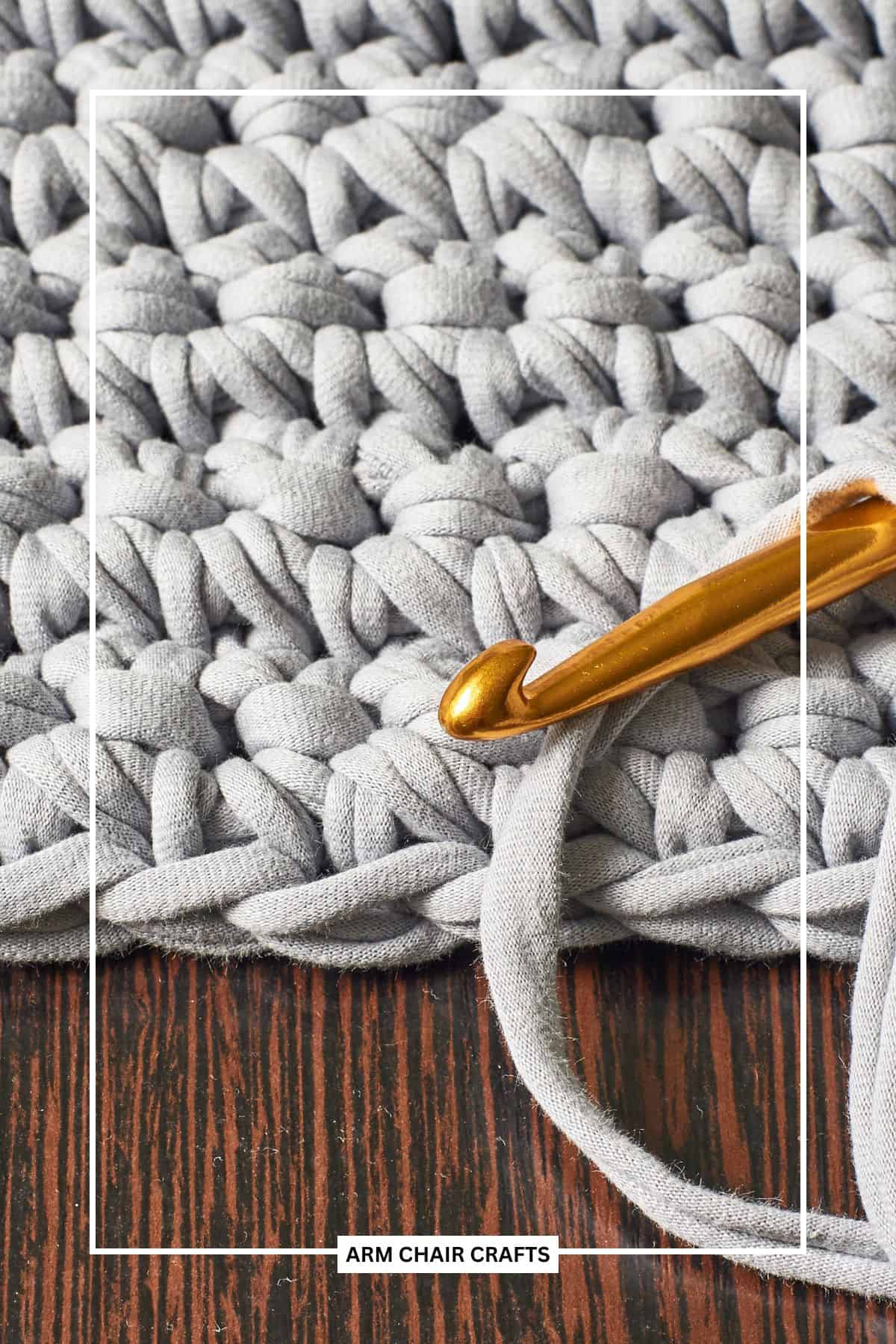
Not every mistake needs correcting. In some cases, especially with minor visual inconsistencies that don't affect structure or stitch count, it can be more practical to leave the error in place.
If the mistake is not noticeable from a normal viewing distance and doesn't affect shaping, continuing the project is often better than risking tension disruption from undoing nearby stitches.
FAQ
Yes, many small mistakes can be corrected by adjusting individual stitches or small sections without unraveling entire rows.
Missed or misplaced stitches caught early are usually the easiest to correct with minimal undoing.
If the mistake affects multiple rows or significantly changes the shape of the project, unraveling may be cleaner than patching.
Stay Connected
Made this pattern? Let us know how it went in the comments below!
Pin this post - Pin now to take your paper crafting skills to the next level.
Share on Instagram or Facebook - Capture the beauty of your finished project and share it on Instagram or Facebook! Tag us @armchaircrafts so we can see your work!
Exclusive PDF Patterns in the Recline and Unwind Club
Access ad-free, downloadable PDFs, the exclusive Arm Chair Craft's shop, and our growing community by joining the Recline and Unwind Club!