If you've been asking why does my crochet curl, you're definitely not alone.
It's one of the most common early crochet frustrations, especially when your stitches look fine but the edges still start to roll or pull inward.
In most cases, crochet edges curling is a normal part of learning tension and stitch control, and it usually has simple, fixable causes.
Jump to:
- Tension that is slightly too tight
- Hook size that is slightly too small for your yarn
- Inconsistent stitch height (even when stitches look correct)
- Foundation chain tension mismatch
- Yarn structure and how it holds shape
- How to stop crochet curling
- Emily's Notes
- FAQ
- Related Crochet Ideas
- Stay Connected
- You might also like:
Ever wondered why does my crochet curl? It's usually because something in your setup is slightly off, not because you're doing anything wrong.
Crochet curling is a common issue that happens when fabric edges begin to turn or curl instead of lying flat.
It is usually caused by factors such as tight tension, incorrect stitch counts, hook size, or stitch type.
This guide explains the main reasons crochet curls and how to correct or prevent it in future projects.
It often appears in beginner crochet projects, where you're still building consistency without really realising it yet. One row feels fine, the next feels a bit tighter, and suddenly the shape starts to shift in a way you didn't expect.
It can also become noticeable when you're trying out new stitches or following simple crochet ideas for learning new stitches, because you're focusing so much on the stitch itself that tension can quietly change in the background without you noticing.
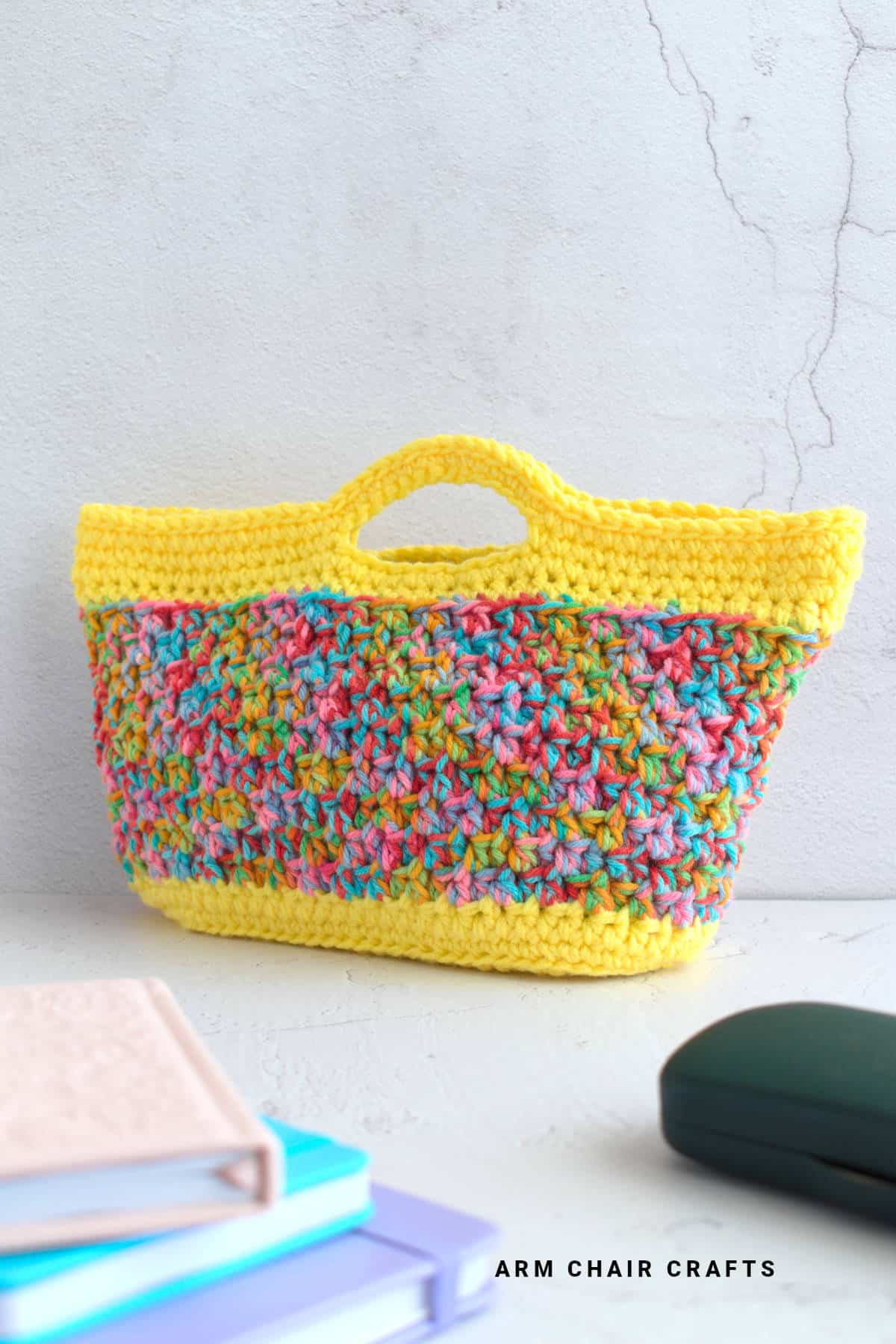
And if you're making things you actually want to use, like small practical pieces or everyday items, you may see it more clearly in projects such as useful crochet accessories you'll actually use every day, where even small changes in tension start affecting how flat or structured the piece feels.
In most cases, this kind of curling isn't a mistake in your pattern. It's usually your tension, your hook choice, or how your stitches are settling as the fabric grows, and once you understand what's actually happening, it becomes much easier to adjust as you go.
Tension that is slightly too tight
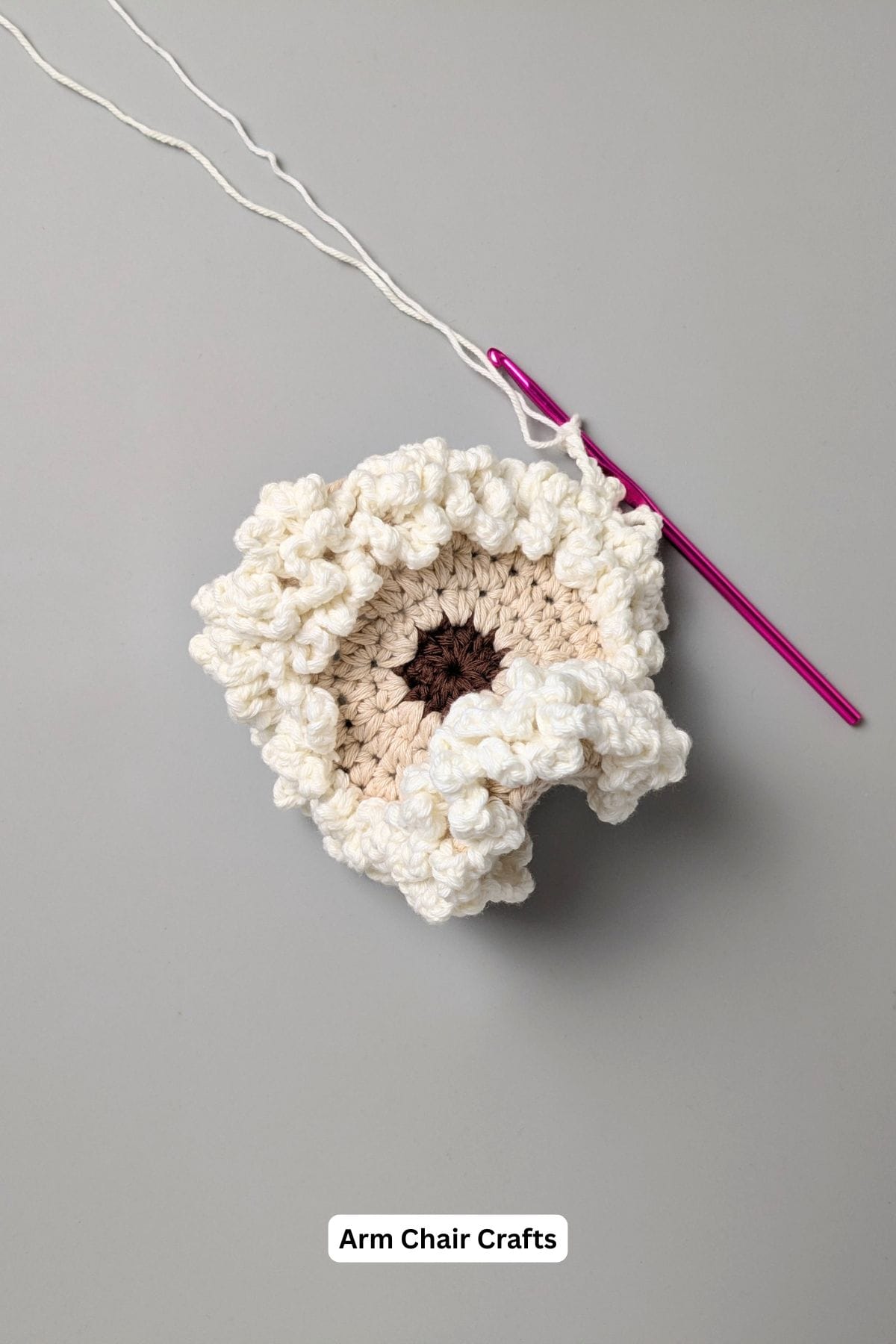
The most common reason for crochet edges curling is tension being a bit tighter than the fabric can comfortably hold.
This doesn't usually feel "tight" while you're crocheting. It often just feels like you're keeping your stitches neat and controlled. But over time, tighter stitches reduce flexibility in the fabric, which causes the edges to pull inward and curl.
You'll especially notice this in early projects where your grip hasn't fully relaxed into a natural rhythm yet.
Hook size that is slightly too small for your yarn
Another very common cause of a crochet curling problem is using a hook that's just a little too small for the yarn.
When the hook is too small, stitches become denser than intended. That density reduces movement in the fabric, meaning it can't naturally relax into a flat shape.
A good way to recognise this is if your fabric feels stiff or "packed together" rather than soft and flexible. In those cases, the curling isn't about skill - it's about the fabric being worked too tightly for the yarn being used.
Inconsistent stitch height (even when stitches look correct)
Even if your stitch count is perfect, small variations in height can slowly affect the shape of your work.
This happens when some stitches are worked slightly tighter or looser than others without you noticing. Over time, these tiny differences build up and often show first at the edges, where the fabric is least supported.
This is especially common when you're still getting used to rhythm and hand positioning.
Foundation chain tension mismatch
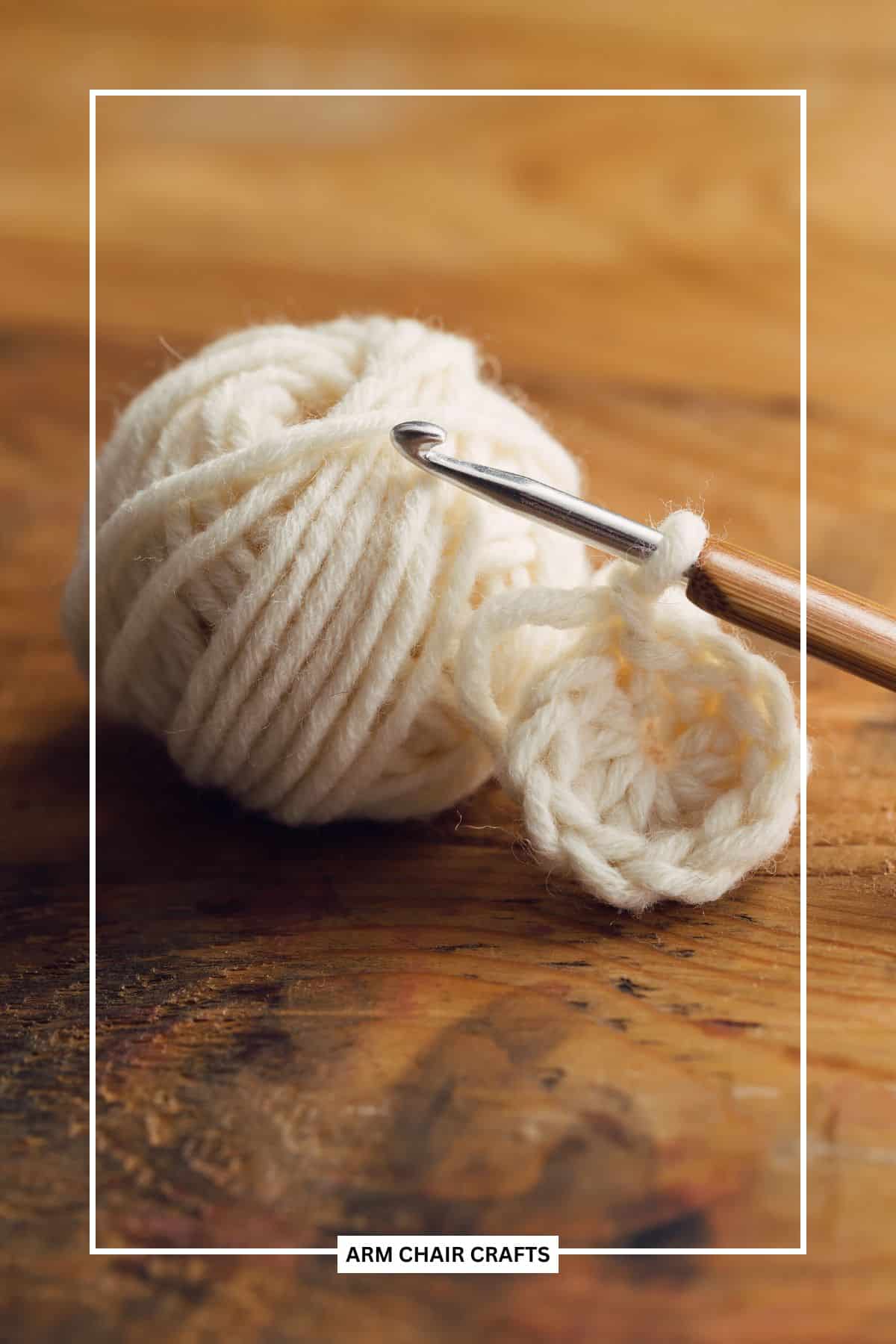
Your starting chain can sometimes behave differently from the rows you build on top of it.
If the chain is tighter, it can pull the base of the fabric inward. If it's looser, the structure above may not sit evenly. Either way, the result can look like curling or uneven edges once a few rows are added.
This is one of those issues that usually only becomes obvious after the fabric has grown a little.
One way you can help to prevent your project from curling if the foundation chain is the issue is by making your foundation chain with a slightly bigger hook size.
For example, if your project uses a 4 mm (G / 6) hook, instead of using a 4mm (G/ 6) hook for the foundation chain, start with a slightly larger hook (like a 4.5 mm [7] hook). Once you have completed the foundation chain, switch to the smaller hook size.
Yarn structure and how it holds shape
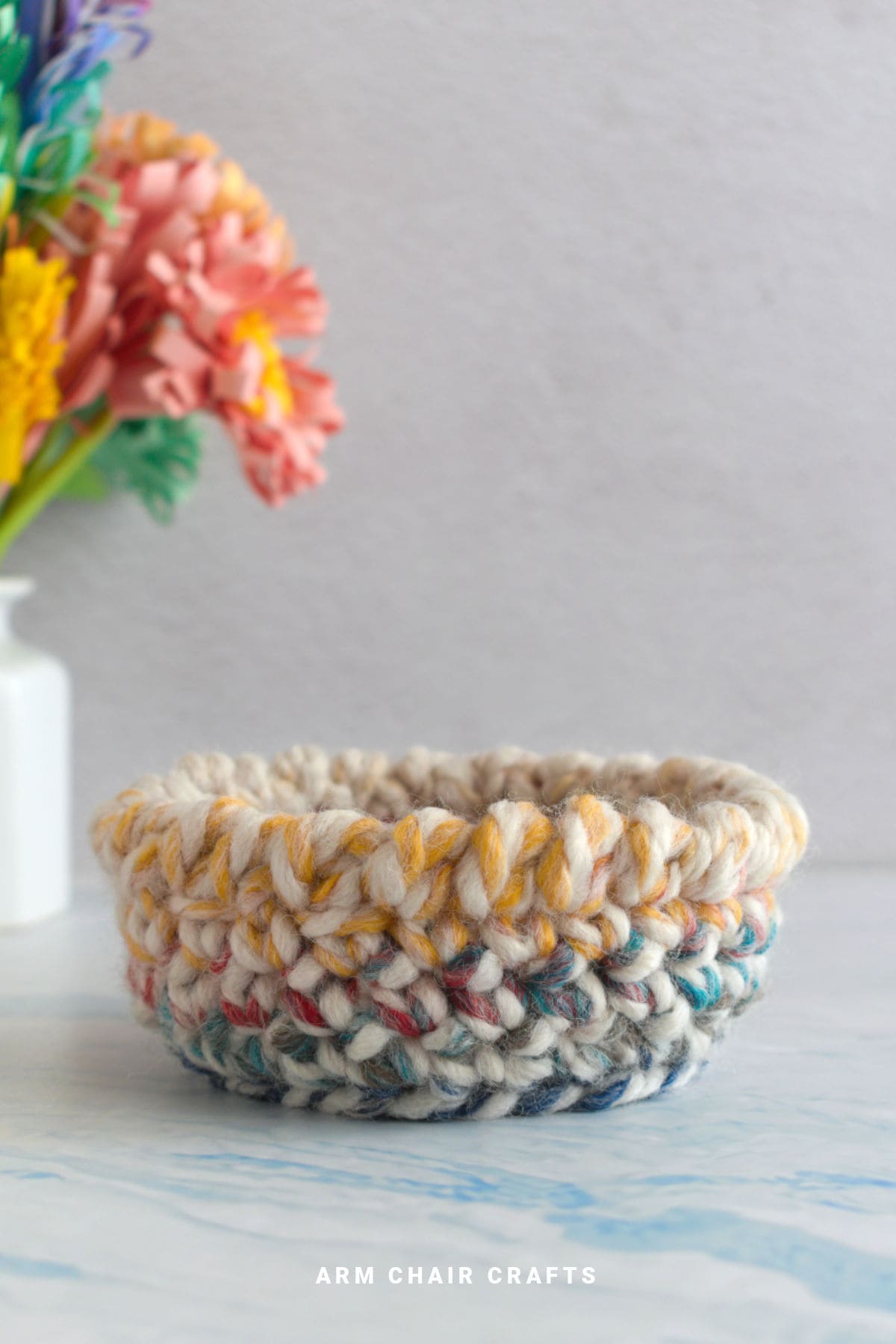
Some yarns naturally resist flattening more than others.
Tightly spun or structured yarns can hold their shape in a way that exaggerates curling, especially in smaller or denser pieces. In these cases, the fabric may appear to curl slightly even when your tension is consistent.
This is why the same pattern can behave differently depending on the yarn used.
How to stop crochet curling
Once you understand why does my crochet curl, the fixes usually come down to small adjustments rather than major changes.
Most commonly, the following help:
- slightly relaxing your tension so the fabric has more flexibility
- checking if your hook size is creating overly dense stitches
- focusing on keeping stitch height steady rather than perfect
- ensuring your foundation chain matches your working tension
- allowing a few extra rows for the fabric to naturally settle
In many cases, the combination of these small changes makes a noticeable difference quite quickly.
Emily's Notes
Curling is one of those issues that feels frustrating at first, but it usually comes down to just a few core causes.
Once you start recognising tension patterns or stitch count changes, it becomes much easier to correct early instead of waiting until the end of a project.
I always think of this kind of issue as a "signal" rather than a failure, it's just your stitches telling you something needs adjusting.
FAQ
It is usually due to tension, hook size, or stitch consistency rather than an issue with the pattern itself.
Most cases improve by slightly relaxing tension and checking hook size.
Sometimes it reduces as more rows are added, but consistency is what fully solves it.
Stay Connected
Made this pattern? Let us know how it went in the comments below!
Pin this post - Pin now to take your paper crafting skills to the next level.
Share on Instagram or Facebook - Capture the beauty of your finished project and share it on Instagram or Facebook! Tag us @armchaircrafts so we can see your work!
Exclusive PDF Patterns in the Recline and Unwind Club
Access ad-free, downloadable PDFs, the exclusive Arm Chair Craft's shop, and our growing community by joining the Recline and Unwind Club!