Crochet edges that twist, slope, or curl can make even a well-made project look unfinished. The stitches might be correct, but the shape doesn't sit quite right, especially along the sides.
If you're trying to learn how to keep crochet edges straight, it usually comes down to how you handle turning chains, edge stitches, and overall tension consistency.
Table of Contents
Crochet edges that twist, slope, or curl can make even a well-made project look unfinished. The stitches might be correct, but the shape doesn't sit quite right, especially along the sides.
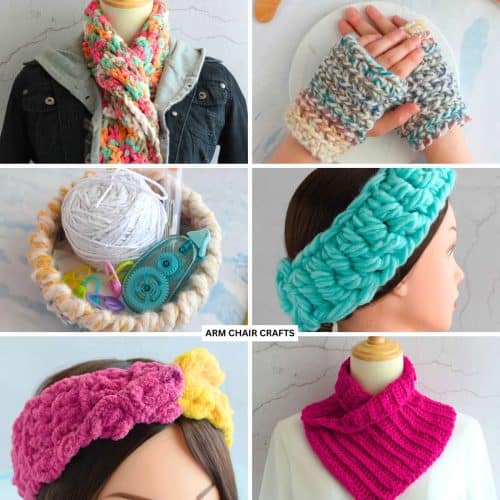
This is a common issue when working through easy crochet projects for beginners, where small tension shifts and edge inconsistencies become more noticeable as the piece grows.
If you're trying to learn how to keep crochet edges straight, it usually comes down to how you handle turning chains, edge stitches, and overall tension consistency.
This issue is often connected to broader tension and structure problems rather than a single mistake.
For example, edge distortion can sometimes be linked to the same habits that cause your crochet pieces to curl, especially when stitches naturally pull the fabric inwards or outwards. In other cases, it overlaps with the inconsistencies seen in how to fix uneven crochet stitches, where slight changes in stitch height or tension affect overall structure.
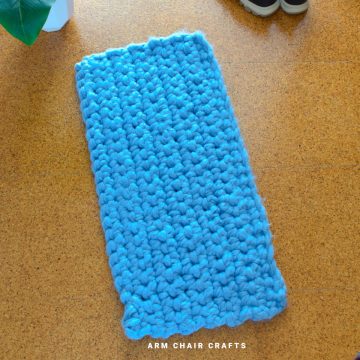
When working on straight edges, it helps to think of them as a repeating structure rather than just the start and end of a row. They need the same consistency as the stitches in the middle of the work.
This becomes more noticeable as projects get larger, where even small edge inconsistencies build up over multiple rows and become visually obvious.
Why Crochet Edges Go Uneven
Turning chains don't match stitch height
Turning chains act as the "height reset" between rows, but they only work properly if they match the stitch you're using.
When the chain is too short, it pulls the edge downward and creates a slight inward curve. When it's too long, it pushes the row upward and creates a stretched or wavy edge.
Over multiple rows, this imbalance compounds, which is why edges can start to drift even when individual stitches are correct.
Edge stitches are inconsistent
The first and last stitch of each row act like anchor points for the entire structure. When these stitches are missed, accidentally added, or worked into different spots each time, the edge loses a fixed reference line.
This creates a subtle shift in width from row to row, which eventually shows up as slanting or uneven shaping even if the stitch count feels "mostly right."
Tension changes at the start and end of rows
Many crocheters don't realise that tension naturally changes during transitions. At the end of a row, stitches often tighten as you focus on finishing cleanly. At the start of the next row, tension can loosen slightly as you reposition your yarn and hook.
These small fluctuations create alternating tight and loose edges, which gradually distort the straight line of the fabric.
Not counting edge stitches properly
Edge stitches are easy to misread because they often sit slightly differently from the rest of the row. If they are skipped or accidentally duplicated, the total stitch count slowly drifts without being immediately obvious.
This leads to gradual shaping changes - the piece may narrow, widen, or shift diagonally over time without a clear single mistake point.
Tips To Keep Crochet Edges Straight
Keep turning chains structurally matched to stitch height
Instead of thinking of turning chains as just a step up, treat them as part of the fabric's structure. Each stitch type requires a different height, and mismatching them forces the edge to compensate by bending or stretching.
Lock in the first and last stitch as fixed reference points
The first and last stitch of each row should behave consistently every time. When these points shift, the entire row loses alignment. Taking a moment to visually confirm placement helps stabilise the structure early before errors compound.
Maintain consistent tension specifically during transitions
Rather than aiming for uniform tension across the whole row, focus on the transition moments, turning the work and starting a new row. These are the points where tension changes most sharply and where edge distortion usually begins.
Track stitch count in "blocks," not constantly
Instead of counting every stitch repeatedly, check in intervals (for example every 2-3 rows). This helps you catch drift early without interrupting flow, especially in repetitive beginner projects.
Reinforce edge consistency through repetition projects
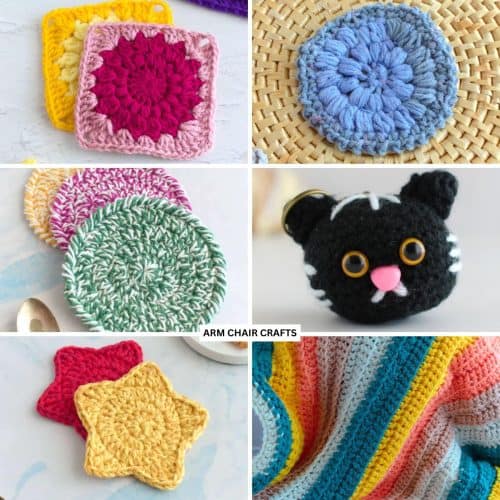
Edges become more stable through repeated structure practice rather than one-off correction. Projects in easy crochet projects for beginners help reinforce predictable row building, where edge placement becomes automatic over time.
FAQ
This usually happens due to inconsistent turning chains or missed edge stitches at the start or end of rows.
Blocking can help slightly, but it won't fully correct structural edge issues caused during stitching.
If your row count changes or the shape slowly narrows or widens, edge stitches are likely being missed or added unintentionally.
Stay Connected
Made this pattern? Let us know how it went in the comments below!
Pin this post - Pin now to take your paper crafting skills to the next level.
Share on Instagram or Facebook - Capture the beauty of your finished project and share it on Instagram or Facebook! Tag us @armchaircrafts so we can see your work!
Exclusive PDF Patterns in the Recline and Unwind Club
Access ad-free, downloadable PDFs, the exclusive Arm Chair Craft's shop, and our growing community by joining the Recline and Unwind Club!
You might also like:
- How To Progress From Beginner To Intermediate Crochet
- Oval Crochet Basket
- How To Weave In Ends Neatly In Crochet Projects
- How To Stop Gaps Appearing In Crochet Stitches
- Crochet Sheep Coasters
- Sunflower Granny Square Crochet Pouch
- Best Ways To Present Crochet Gifts So They Look Finished
- How To Make Crochet Look More Professional