You finish a crochet project and it looks perfect, neat stitches, even shape, everything sitting exactly how it should. Then a few weeks later, something changes. The fabric feels looser, longer, or slightly out of shape.
If you're trying to understand why crochet projects stretch over time, the answer usually isn't about mistakes while crocheting, it's about how yarn behaves after the project is completed and used.

Table of Contents
Crochet doesn't stay static once it's finished. Unlike rigid fabrics, it continues to respond to weight, movement, washing, and even how it's stored. That means a piece that looks structured at first can slowly shift over time.
This becomes especially noticeable in items that are handled often, like bags, garments, or blankets.
Even when everything was made correctly during projects in easy crochet projects for beginners, the finished shape can still change once it starts being used in real life.
When looking at why crochet projects stretch over time, it's important to understand that this isn't usually caused by a single mistake. It's the result of fibre behaviour, stitch structure, and external pressure working together after the project is complete.
Why Crochet Projects Stretch Over Time
Yarn fibres naturally relax after tension is removed
When you crochet, the yarn is under constant tension as each stitch is formed. Once the project is finished, that tension is released. Some fibres, especially soft or loosely spun yarns, naturally relax and extend slightly as they settle into their resting state.
This is why a project can look slightly larger or looser after it has been left for a while, the material is adjusting to the absence of constant handling.
Gravity affects heavier crochet pieces
Larger projects like blankets, shawls, or bags are constantly pulled downward by their own weight.
Over time, this gradual downward pressure stretches stitches vertically, especially if the stitch structure is open or flexible.
The effect is slow but cumulative, meaning the longer the item is used or stored hanging, the more noticeable the stretching becomes.
Stitch structure determines how much movement happens
Some stitches naturally hold their shape better than others. Dense stitches tend to resist stretching, while open or elongated stitches have more flexibility and space to shift.
Even if the stitch count is correct, the overall structure can still loosen if the stitch type allows more movement between loops.

Yarn type plays a major role in long-term shape
Different fibres behave differently over time. Cotton tends to hold structure more firmly, while acrylic and wool blends often have more elasticity.
That elasticity can be helpful for comfort, but it also means the fabric may gradually stretch under consistent use.
This is why two projects made with the same pattern can behave differently depending on the yarn used.
How to stop crochet from stretching over time
Choose tighter stitch structures for load-bearing items
For items like bags or garments, denser stitch patterns help reduce long-term stretching because there is less space for movement between stitches. This creates a more stable fabric foundation that holds its shape under pressure.
Add structural reinforcement in high-stress areas
Areas like handles, straps, or edges experience the most tension. Reinforcing these sections with tighter stitches or additional rows helps distribute weight more evenly so the fabric doesn't rely on a single weak point.
Block your project before first use
Blocking helps set the shape of the fabric before it is exposed to real-world movement.
By gently shaping and drying the piece in its intended form, you reduce the amount of natural "settling" that happens later during use.
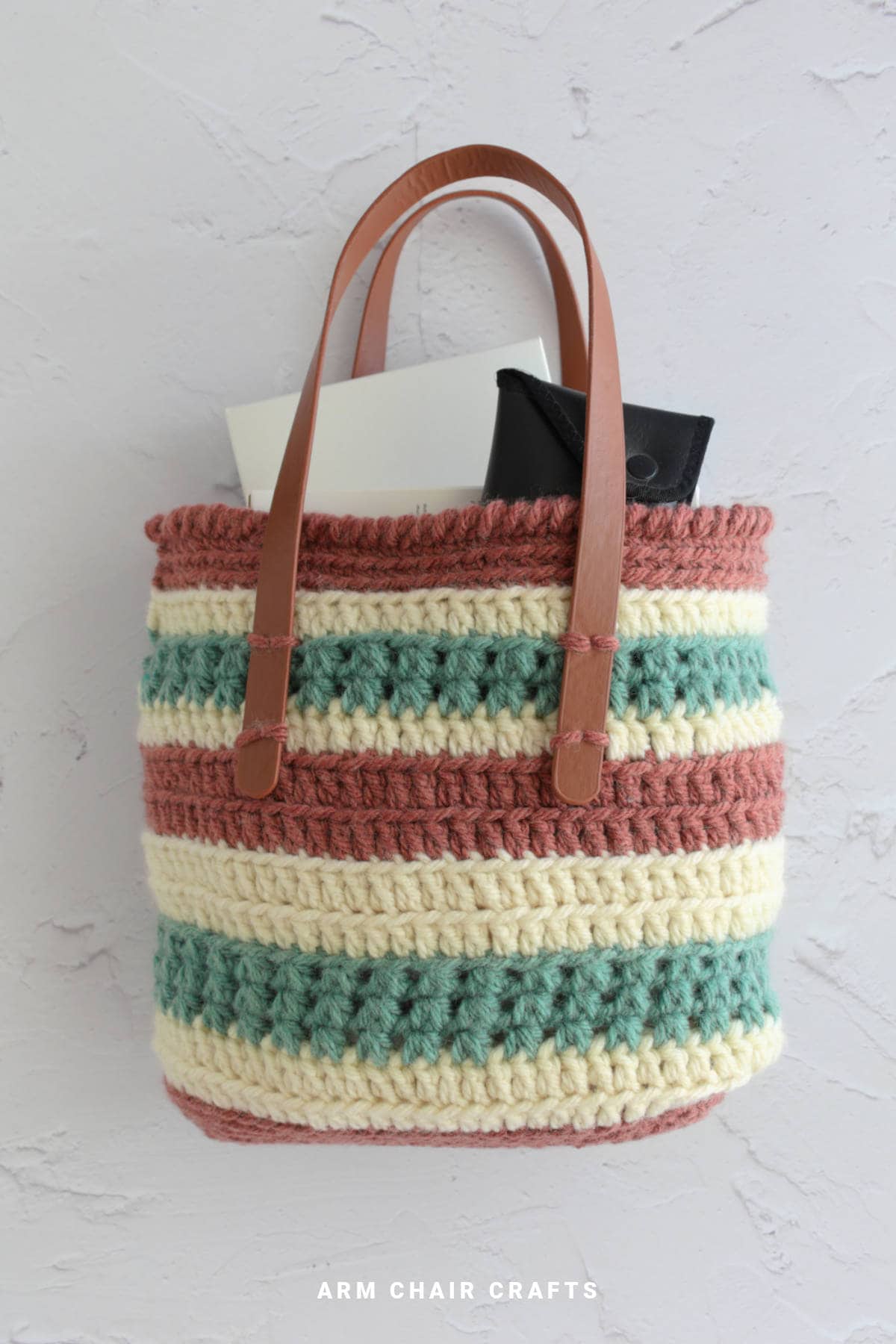
Store items flat instead of hanging
Hanging crochet items, especially heavier ones, increases downward pressure on the stitches. Storing them flat helps maintain their original shape and prevents slow gravitational stretching over time.
Wash carefully to preserve structure
Washing can either stabilise or weaken crochet depending on how it's done.
Gentle washing and flat drying help maintain fibre integrity, while rough washing or hanging to dry can encourage stretching.
FAQ
Yes. Most crochet items will experience some level of stretching depending on yarn type, stitch structure, and how they are used.
Tighter, denser stitches generally resist stretching better than open or elongated stitch patterns.
Stay Connected
Made this pattern? Let us know how it went in the comments below!
Pin this post - Pin now to take your paper crafting skills to the next level.
Share on Instagram or Facebook - Capture the beauty of your finished project and share it on Instagram or Facebook! Tag us @armchaircrafts so we can see your work!
Exclusive PDF Patterns in the Recline and Unwind Club
Access ad-free, downloadable PDFs, the exclusive Arm Chair Craft's shop, and our growing community by joining the Recline and Unwind Club!